NEW YORK BLOWER CO 18BC Bc Backward Curved Pressure Motor Co.
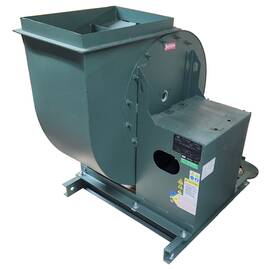
( Brand: New York Blower Co ), ( Manufacturer Part Number: 18BC ), ( Compatible Brand: New York Blower Co. ), ( Type: Pressure Blower ), ( Color: Green ), ( Year Manufactured: 2022 ), ( Country Of Origin: United States )
Review NEW YORK BLOWER CO Co. Bc Backward Curved Pressure No Motor #1
The **York Blower 18BC Backward Curved Pressure Motor** is a high-performance, industrial-grade centrifugal fan designed for demanding applications requiring precise airflow control, energy efficiency, and durability. Engineered with York s reputation for reliability, this motor-driven blower combines advanced aerodynamic design with robust construction to deliver consistent and reliable performance in a wide range of commercial, institutional, and light industrial environments. The **18BC backward curved impeller** is specifically optimized for applications where moderate to high static pressure is required, such as HVAC systems, exhaust ventilation, process cooling, and air distribution in buildings. Unlike forward-curved impellers, which are prone to surging and lower efficiency at higher pressures, the backward-curved design ensures smoother airflow, reduced noise levels, and improved energy efficiency making it an ideal choice for applications where stability and longevity are critical.
Built with a **direct-drive motor configuration**, the 18BC model eliminates the need for belts or pulleys, reducing maintenance requirements and enhancing operational reliability. The motor housing is constructed from high-quality, corrosion-resistant materials, including galvanized steel or stainless steel options, ensuring resistance to moisture, dust, and harsh environmental conditions. The backward-curved blades are precision-engineered to minimize turbulence and maximize airflow efficiency, while the sealed bearing assembly and robust shaft design provide extended service life even under continuous operation. For added convenience, the blower is equipped with a **standard NEMA or IEC motor mount**, allowing for easy integration into existing HVAC or ventilation systems with minimal retrofitting.
One of the standout features of the York 18BC is its **adjustable inlet and outlet configurations**, which enable flexibility in system design. Whether installed in a ductwork system, as part of a rooftop unit, or in a custom ventilation setup, the blower s modular design allows for seamless integration with various piping and ducting arrangements. Additionally, the motor s **high-efficiency, energy-saving performance** helps reduce operational costs by minimizing power consumption while maintaining optimal airflow rates. For applications requiring precise control, the blower can be paired with variable frequency drives (VFDs) to further enhance energy efficiency and system responsiveness.
Safety and ease of maintenance are also prioritized in the York 18BC design. The motor features **thermal overload protection**, ensuring automatic shutdown in the event of overheating, while the sealed construction prevents the ingress of contaminants that could damage internal components. Access panels are strategically placed for quick and easy inspection, allowing technicians to perform routine maintenance without extensive disassembly. Whether used in a commercial building s HVAC system, an industrial exhaust setup, or a specialized process cooling application, the York 18BC Backward Curved Pressure Motor delivers a perfect balance of performance, durability, and efficiency making it a trusted choice for engineers and facility managers seeking a dependable airflow solution.
### **Pros and Cons of Buying a York Blower 18BC (Backward-Curved, Pressure Motor)**
#### **Pros:**1. **High Efficiency and Reliability** The York 18BC is a well-engineered centrifugal blower designed for industrial and commercial HVAC applications. Its backward-curved impeller design minimizes turbulence and reduces energy consumption compared to forward-curved blowers, leading to better overall efficiency.
2. **Pressure Capability** The "pressure motor" variant is optimized for systems requiring higher static pressure, such as forced air heating, positive pressure ventilation, or certain industrial exhaust applications. This makes it suitable for spaces where airflow resistance is higher (e.g., ductwork with multiple bends or long runs).
3. **Durable Construction** York blowers are known for their robust build quality, often featuring corrosion-resistant materials (e.g., stainless steel or galvanized components) and sealed bearings to extend lifespan, especially in demanding environments.
4. **Energy Savings** The backward-curved design reduces noise and vibration while improving aerodynamic efficiency, which can lower operational costs over time compared to less efficient blower types.
5. **Compatibility with York Systems** If you re already using York HVAC equipment, this blower integrates seamlessly with their control systems and ductwork, reducing compatibility issues and maintenance complexity.
6. **Long Service Life** With proper maintenance, York blowers are designed to operate reliably for decades, making them a cost-effective long-term investment for commercial or industrial settings.
7. **Quiet Operation** Compared to some forward-curved blowers, the backward-curved design generates less noise, which is beneficial in spaces where acoustics matter (e.g., offices, schools, or residential applications with ductwork).
---
#### **Cons:**1. **Higher Upfront Cost** York blowers, especially pressure-rated models, tend to be more expensive than generic or less-branded alternatives. The premium price may not be justified for small-scale or low-pressure applications where a simpler blower would suffice.
2. **Specialized Maintenance Requirements** While durable, York blowers may require specialized knowledge for servicing, particularly if they re part of a larger HVAC system. Improper maintenance (e.g., neglecting bearing lubrication or ignoring vibration issues) can lead to premature failure.
3. **Overkill for Low-Pressure Needs** If your application only requires minimal pressure (e.g., simple ventilation in a small space), a smaller or less expensive blower (e.g., a forward-curved or axial fan) might be more than adequate, reducing unnecessary capital expenditure.
4. **Bulkiness and Installation Complexity** Centrifugal blowers like the York 18BC are larger and heavier than axial fans, which can complicate installation in tight spaces. Proper ductwork sizing and support are critical to avoid performance issues or structural strain.
5. **Energy Costs During Startup** Some centrifugal blowers, especially those with higher pressure requirements, may draw more current during startup, potentially increasing short-term electrical demand. This is less of an issue with variable-speed drives (VSDs) but can be a concern in systems without them.
6. **Limited Customization** York offers standard models, and while they re highly reliable, customizing airflow or pressure outputs may require additional components (e.g., dampers, VSDs), adding to the system cost.
7. **Potential for Overdesign** In applications where airflow requirements fluctuate (e.g., seasonal changes), a fixed-speed blower like the York 18BC may not be as energy-efficient as a variable-speed model, leading to wasted energy when operating at partial load.
---
### **Conclusion:**The York Blower 18BC (backward-curved, pressure motor) is an excellent choice for **high-pressure, high-efficiency HVAC or industrial ventilation systems** where reliability, longevity, and energy savings are priorities. Its superior aerodynamic design and robust construction make it ideal for commercial buildings, large-scale heating/cooling applications, or environments with significant ductwork resistance. However, for **low-pressure, cost-sensitive, or small-scale applications**, the higher upfront cost and complexity may not be justified, and a simpler blower could be more practical.
If your system demands **consistent high-pressure airflow** and you can justify the investment in maintenance and installation, the York 18BC is a strong, long-term solution. For **budget-conscious or low-pressure needs**, alternatives like forward-curved blowers or axial fans may offer better value.
---
### **Recommendation:** - **Buy the York 18BC if:**- You need a **high-pressure blower** for commercial HVAC, forced air heating, or industrial ventilation.
- Your application requires **low noise, high efficiency, and long-term reliability**.
- You re already using **York equipment**, ensuring compatibility and ease of maintenance.
- Budget constraints allow for the **higher initial cost** in exchange for energy savings and durability.
- **Consider alternatives if:**- Your system only needs **low to moderate pressure** (e.g., simple ventilation).
- You re working with a **tight budget** and can find a similarly efficient but less expensive blower.
- The application involves **frequent airflow adjustments**, where a **variable-speed blower** would be more energy-efficient.
- Installation space is **limited**, and a smaller or axial fan would fit better.
For most **commercial or industrial settings with high-pressure demands**, the York 18BC is a **reliable and efficient investment**. For other applications, carefully evaluate whether its features align with your specific needs to avoid overpaying for unnecessary capabilities.
Details:
A cfm : 3000 Static Pressure: 5 WG RPM: 1956 Fan: Backward Inclined SWSI Class I ARR-9, Key Breakdown: BI: Blades are inclined opposite to the direction of rotation, providing high efficiency 80-90% and non-overloading horsepower characteristics. Class I: AMCA construction classification for lower-pressure duty. SWSI: Single width , Inlet. Refers to the wheel design.
Ideal for clean, dry air streams. ARR-9 Arrangement 9: Belt-driven with the motor mounted on side of bearing pedestal, offering a compact, packaged design. It features a single- width /inlet wheel with blades inclined away from rotation, built for low-to-medium pressure, clean air applications HVAC, exhaust at standard structural strength Class I, using compact, belt-driven, pedestal-mounted motor. This Backward Inclined SWSI Class I ARR-9 is a high-efficiency industrial centrifugal fan.
part #: 18bc prices
- $1062.50-$1065.00
specifications fablowehva:
- brand: New York Blower Co
- mpn: 18bc
- compatible brand: New York Blower Co.
- type: Pressure Blower
- color: Green
- year manufactured: 2022
- country of origin: United States
payments fablowehva:
- other
- wallet: Paypal
- credit card: Mastercard
- cash
offer fablowehva:
- started: March 27, 2026
- sold: 0
- quantity: 1
- best offers: True
- options: Ship-to-home
- availability: In Stock
general fablowehva:
- condition: Used
- HVAC Refrigeration > HVAC Refrigeration: Parts Accessories > HVAC Refrigeration: Fans Blowers
seller fablowehva:
- city: Sparta, Tennessee
- # reviews: 8801
- rating: 100.0%
returns fablowehva:
- time: 30 Days
- policy: Returns Accepted
- method: Money back
- paid by: Seller
shipping fablowehva:
New York Blower Co 18BC Is Similar To:
- 0231-11-560 New York Blower Company (35.8% similar) ...(March 13th, 2017)
- 024-25110-000 York Emerson Fan Motor Luxaire (29.6% similar) Good Condition working fan motor off a York furnace that was replaced for rebates on New equipment. Must be installed by a licensed hvac technician...(July 22nd, 2018)
- 02424115017b Fasco New York Draft Motor Hp Rpm (30.8% similar) 1H-0MD-A1-C0. New fiasco York 7b draft motor 1/2 0TH hp rpm SW280-1. All activity in the shipping and receiving area is recorded for future reference. I have tested this motor...(June 8th, 2018)
- 026-19654-005 York Blower Wheel (29.4% similar) This is a used Blower wheel off retired furnace. Little dusty and dirty from prior use but rust free. Can be used universally...(March 8th, 2019)
- 026 32625 700 York New Luxaire Blower Wheel Shaft (28.3% similar) Brand New inducer vent exhaust Blower wheel. Satisfaction guaranteed - ships fast free...(June 22nd, 2018)
- 02620352700 York 13 Fan Blower (23.8% similar) The vast majority are in New unopened Condition. Some of the boxes may have writing, be dusty, ripped or opened...(November 2nd, 2017)
- 1092789 New York Blower Company (37.3% similar) 42 BP driven by a Balder electric motor hp - 3 pH rpm volts Hz 60 amps please e for residential delivery Costs or other shipping needs. 8 Sp 3500 rpm...(July 22nd, 2017)
- 14 Ls Arr-10 New York (17.4% similar) Our daily shipping cut-off is 3:00PM eastern time. For cancelled orders, a 35 service fee will apply...(July 6th, 2017)
- 146 Univ New York Blower (31.6% similar) Will guarantee...(July 18th, 2017)
- 1604a03 New York Blower Single Wheel (33.6% similar) See photos for illustration purposes riveted Construction special alloy pillow block bearings digital Control panel recirculating option burner starter Combustion Blower gauges monitoring pressure and temperature...(December 25th, 2016)
- 1706 New York Blower Size Hp Motor Volt Steel Base (41.3% similar) ...(March 9th, 2018)
